Re‑identifying
the world's dark fleet.
When a sanctioned tanker changes its MMSI, flag, name, and ownership, its behavior does not. Seiche re-identifies the vessel from its movement signature.
The fleet has roughly tripled since the EU oil-price cap and the 12th sanctions package. Replacing it is hard; tracking it across identity changes is harder.
Vessels broadcasting fraudulent or fabricated AIS identities — most often a flag swap to a flag-of-convenience after a sanctions designation.
On a closed benchmark of publicly attributed identity changes — see below for the six we miss and why.
Paper changes.
Behavior doesn't.
Screening each MMSI against a sanctions list fails the moment a vessel re-registers. Seiche treats the AIS track itself as the identifier. Movement signatures persist across paper changes the way a fingerprint persists across a name change.
Behavioral embedding
A self-supervised model trained on five years of global AIS produces a 128-dimensional embedding for every vessel with at least thirty days of broadcast history. Turn rates, speed distributions, station-keeping style, port-call rhythm — and hundreds of features the model selects on its own.
Re-identification
When a new MMSI appears in the data, Seiche searches the embedding space for any vessel that recently went dark. Matches are scored by cosine distance and confidence, ranked against the full pool — not against a watchlist.
Auditable evidence
Every match returns a side-by-side track, the specific behavioral features that drove the score, and the timestamp the prior identity went dark. Compliance teams can defend the call to a regulator, an underwriter, or a court.
Inside the desk.
One re-identified case. The prior identity went dark in the Black Sea on 14 February. Forty-one days later, a vessel reappeared off the Aegean under a different MMSI, flag, and name. The behavioral signature matched.
Preview render of the analyst desk. The live view in the public preview shows full track histories, all candidate matches, and the evidence panel for each.
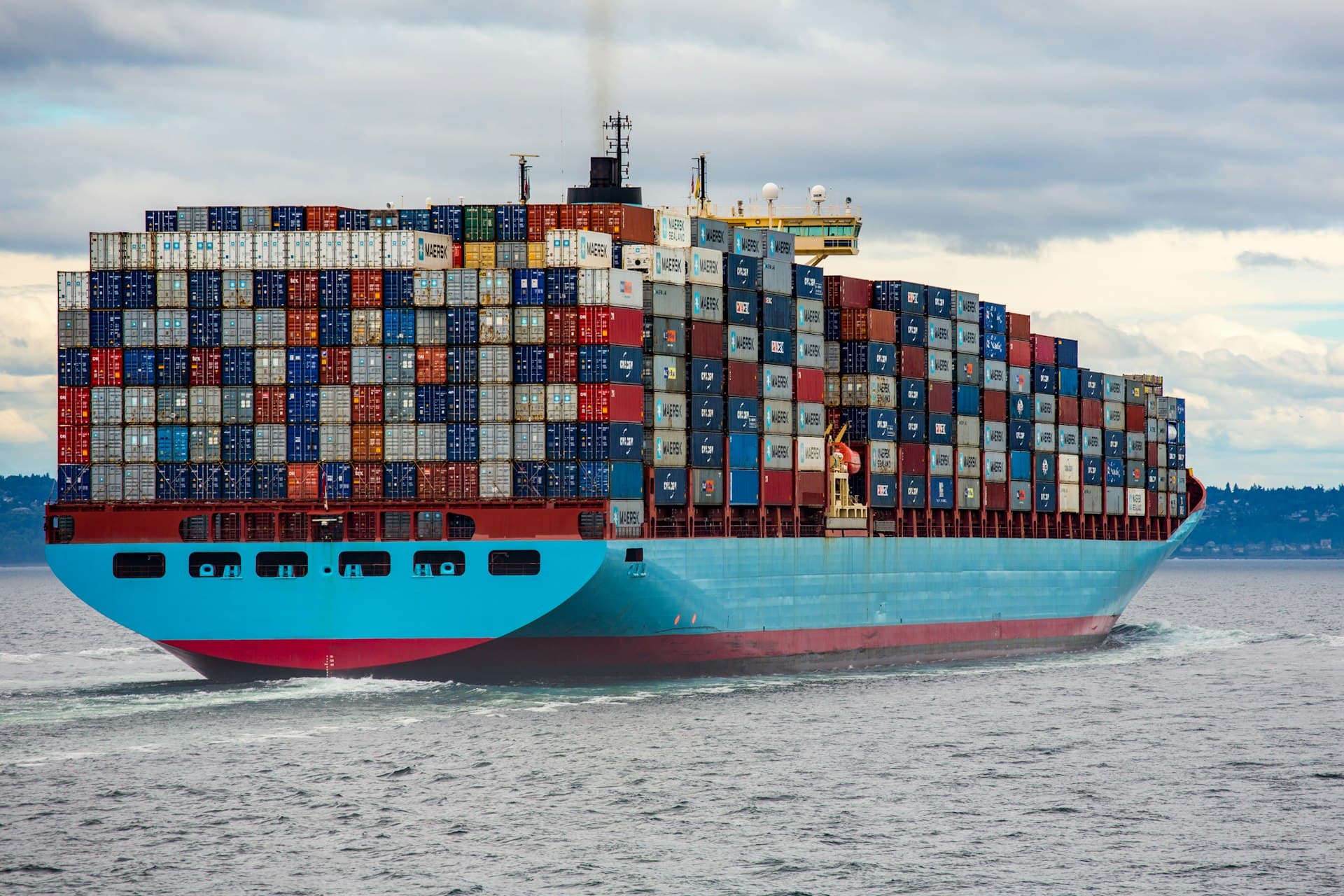
More than 1,900 tankers operate today without verifiable insurance, ownership, or flag.
41 of 47.
The six we miss, named.
Forty-seven cases of identity change in the dark fleet, attributed publicly through sanctions designations, investigative journalism, and seizure records. Forty-one ranked first against an embedding pool of 84,213 vessels.
The other six involved vessels with under ninety days of post-change broadcast history. They returned in the top five but not at rank one. The same limitation will apply to any behavioral method on short windows; we publish it because compliance buyers should know it before a vendor does.
Attribution sources
- OFAC SDN designations
- EU sanctions packages 12 — 16
- Investigative journalism (FT, OCCRP, Lloyd’s List)
- Vessel seizure and detention records
Operating-point analysis on held-out vessel splits, with a false-positive estimate against the open fleet, is in v0.2 of the benchmark. Methodology, full case list, and code released alongside.
An API for the queue.
A desk for the call.
Screening API
Submit an MMSI or a candidate AIS track. Receive ranked matches against the global embedding pool, with confidence, distance, and the contributing behavioral features. Built to drop into an existing screening queue.
Analyst desk
Side-by-side track comparison, the contributing behavioral features, dossier export. Built for compliance officers and underwriters defending a decision — not for analysts chasing dashboards.
Public preview
A live, browsable instance of the analyst desk — bounded to vessels above 10,000 GT in the North Sea and the Baltic. Free to use. The full model is identical; the cap is operational.
Built for the teams
the regulator calls first.
Sanctions-compliance teams
P&I insurers
Request a brief.
We'll send the benchmark methodology, a sample dossier from a re-identified case, and access to the public preview. If a walkthrough makes more sense, we'll book thirty minutes.
Or schedule a 30-minute walkthrough↗